Keep trying!

You got 10 of 20 correctly.

  • 30 Points Won
  • 50% Correct answers
  • 3 Best streak

Check your Stats

Go to Dashboard
spice it up!

BATTLE MODE

Play against others for Extra Points Try a quiz in Battle Mode

Check your Stats

Go to Dashboard
Your results:
  • 1 / 20

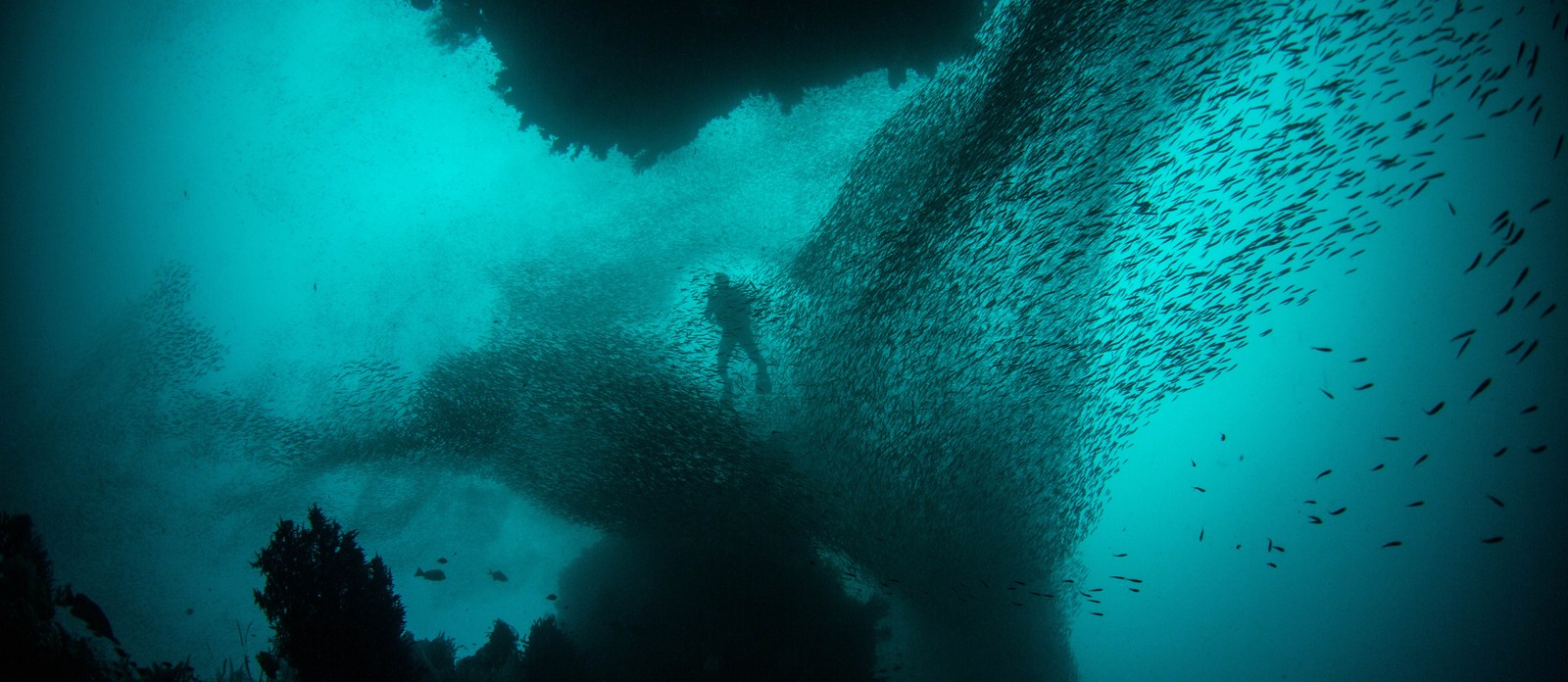
    Which ocean is the deepest?
    • 15% Atlantic Ocean
    • 69% Pacific Ocean
    • 7% Indian Ocean
    • 9% Antarctic Ocean

    The Pacific Ocean is the deepest ocean in the world, with an average depth of 14,020 ft. Other than being the deepest ocean overall in the world, the Pacific Ocean has the deepest point in the world. The deepest point on the planet, found in the Mariana Trench, is nearly 35,797 ft. It is also the largest ocean by surface area. It covers a total surface area of approximately 63,800,000 square miles, translating to a total of 46% of the earth’s water surfaces. The area is larger than all of earth’s land combined. The name Pacific was coined from the Portuguese word “Pacifico,” which means peaceful. It was named “Mar Pacifico” by Ferdinand Magellan because during his circumnavigation trip in 1521 he found the ocean to be very peaceful.

    Source: WorldAtlas

  • 2 / 20

    Where is North America's largest coral barrier reef located?

    • 11% California
    • 46% Hawaii
    • 42% Florida
    • 1% Mississippi

    The Florida Reef (also known as the Great Florida Reef, Florida reefs, Florida Reef Tract, and Florida Keys Reef Tract) is the only living coral barrier reef in the continental United States. It lies a few miles seaward of the Florida Keys, is about 4 miles wide, and extends along the 66 ft depth contour 146 nmi; 168 mi from Fowey Rocks just east of Soldier Key to just south of the Marquesas Keys. The system encompasses more than 6,000 individual reefs. Florida waters are home to over 500 marine fish and mammal species, along with more than 45 species of stony corals and 35 species of octocorals.

    Source: Wikipedia

  • 3 / 20

    What is the highest mountain in the Americas?

    • 50% Mount Rainier
    • 29% Aconcagua
    • 16% Mount Logan
    • 5% Huascaran

    Aconcagua is a mountain in the Principal Cordillera of the Andes mountain range, in Mendoza Province, Argentina. It is the highest mountain in the Americas, the highest outside Asia, and the highest in the Southern Hemisphere, with a summit elevation of 22,838 ft. It lies 70 miles northwest of the provincial capital, the city of Mendoza, about three miles from San Juan Province, and 9 miles from Argentina's border with neighboring Chile. The mountain is one of the Seven Summits of the seven continents.

    Source: Wikipedia

  • 4 / 20

    Which is the largest rainforest in the world?

    • 1% Sundaland
    • 2% Australasia
    • 8% Congo
    • 89% Amazon

    The Amazon is the world's largest rainforest. The Amazon rainforest, which includes parts of nine countries and covers nearly 40% of South America, accounts for just over half the primary forests found across the tropics. The Amazon rainforest has more than three times as much primary forest as the world's next largest rainforest, that of the Congo Basin.

    Source: Mongabay

  • 5 / 20

    What is the biggest desert in the United States?

    • 5% Okanagan Desert
    • 49% Mojave Desert
    • 29% Great Basin Desert
    • 17% Sonoran Desert

    Encompassing the better part of 200,000 square miles, the Great Basin Desert is the largest desert in the United States and the second-largest in North America after the Chihuahuan. This ecological realm covers most, but not all, of the physiographic realm of the Great Basin itself, the biggest component of the Basin-and-Range Province. The Great Basin Desert is a cold desert: both a descriptive and formal term. It’s the northernmost major desert province in North America (again, non-polar) and gets most of its scanty annual precipitation in the form of winter snowfall.

    Source: Campman

  • 6 / 20

    Which is the smallest ocean in the world?

    • 1% Pacific Ocean
    • 3% Atlantic Ocean
    • 57% Arctic Ocean
    • 39% Indian Ocean

    The Arctic Ocean is the smallest of the world's five ocean basins. With an area of about 6.1 million square miles, the Arctic Ocean is about 1.5 times as big as the United States. It is bordered by Greenland, Canada, Norway, Alaska, and Russia. The average depth of the Arctic Ocean is 3,953 feet and it is 18,264 feet at its deepest point.

    Source: Ocean Service

  • 7 / 20

    Which of America's Great Lakes is the shallowest?

    • 12% Lake Ontario
    • 28% Lake Huron
    • 4% Lake Superior
    • 56% Lake Erie

    Lake Erie is the shallowest of the Great Lakes and acts more like a river than a lake. Its average depth is just 62 feet. In contrast, Lake Superior has more than 30 times the water volume of Lake Erie, and its average depth is 483 feet. The deepest place on Lake Superior is 1,333 feet, this is six times the deepest point on Lake Erie (210 feet).

    Source: Go Erie

  • 8 / 20

    What is the deepest river in the United States?

    • 21% Yukon River
    • 31% Mississippi River
    • 26% Colorado River
    • 22% Hudson River

    The deepest river in the U.S. is the Hudson River which reaches a maximum depth of 216 ft. Some sources also list this depth at 202 ft. Although many people guess that the Mississippi River is the deepest, the river only reaches 200 ft deep as it winds its way through New Orleans. Arguably one of the most significant rivers in the United States, the Hudson River flows for only 315 miles, so it’s not one of the longest rivers in the United States.

    Source: A-Z Animals

  • 9 / 20

    Which of these countries has the lowest average temperature?

    • 3% United States
    • 30% Norway
    • 65% Russia
    • 2% Mexico

    Russia is the coldest country in the world in terms of the coldest temperature ever recorded. Both Verkhoyansk and Oymyakon in the Sakha Republic have experienced a freezing cold temperature of −90.0 °F. Despite the extremely cold temperature, more than 500 people live in Oymyakon and another 1400 people embrace the cold in Verkhoyansk every year.

    Source: Swedish Nomad

  • 10 / 20

    What is Europe's tallest active volcano?

    • 9% Santorini
    • 77% Mount Etna
    • 7% Geldingadalir
    • 7% Stromboli

    Around Mount Etna in Sicily, you can really get a sense of the power of nature especially as the majestic volcano could erupt at any time. The fountains of lava can shoot up several meters into the air, before falling to the ground in the surrounding landscape on the Italian island. The summit towers more than 10912 ft above sea level, making Etna the tallest currently active volcano in Europe.

    Source: DW

  • 11 / 20

    Lake Baikal is known for being what?

    • 22% Coldest lake in Asia
    • 14% Shallowest lake in the world
    • 48% Deepest lake in the world
    • 16% Warmest lake in Asia

    Lake Baikal is the largest freshwater lake in the world (by volume) and the deepest lake in the world. Somewhat crescent-shaped, it is in the southern Siberia area of Russia. In 1996 it was declared a UNESCO World Heritage Site. It also happens to be the oldest lake in the world, and it is home to approximately 1,700 to 1,800 endemic plant and animal species.

    Source: Live Science

  • 12 / 20

    What park is home to more than half the world's geysers?

    • 22% Yosemite
    • 2% Zion
    • 73% Yellowstone
    • 3% Everglades

    Yellowstone is home to more than 500 geysers; that's more than half of the total active geysers on Earth! Geysers come in all sorts of shapes and levels of activity, from towering eruptions that occur sporadically to small fountains of steaming hot water that erupt almost continuously. Each geyser truly is unique. Yellowstone National Park has approximately half of the world's geysers and most of them, including Old Faithful, are located in the Upper Geyser Basin.

    Source: National Park Service

  • 13 / 20

    Which is the highest mountain in North America?

    • 89% Denali/Mt. McKinley
    • 6% Mount Logan
    • 2% Mount Lucania
    • 3% Mount Saint Elias

    Denali/Mt. McKinley is the tallest mountain in North America, located in south-central Alaska. With a peak that reaches 6,190 meters (20,310 feet) above sea level, Denali is the third-highest of the Seven Summits (the tallest peaks on all seven continents). Denali is about 210 kilometers (130 miles) north-northwest of Anchorage.

    Source: National Geographic

  • 14 / 20

    Which gorge in North America is the deepest?

    • 32% Little Grand Canyon
    • 45% Hells Canyon
    • 11% Palo Duro Canyon
    • 12% Glen Canyon

    Hells Canyon, North America's deepest river gorge, encompasses a vast and remote region with dramatic changes in elevation, terrain, climate, and vegetation. Carved by the great Snake River, Hells Canyon plunges more than a mile below Oregon's west rim, and 8,000 feet below snowcapped He Devil Peak of Idaho's Seven Devils Mountains. There are no roads across Hells Canyon's 10-mile wide expanse and only three roads that lead to the Snake River between Hells Canyon Dam and the Oregon-Washington boundary.

    Source: USDA Forest Service

  • 15 / 20

    On what mountain range is the highest volcano on Earth located?

    • 14% Sierra Madre
    • 9% Rocky Mountains
    • 17% Transantarctic Mountains
    • 60% Andes Mountains

    Nevado Ojos del Salado is a dormant complex volcano in the Andes mountains on the Argentina–Chile border. It is the highest volcano on Earth and the highest peak in Chile. The upper reaches of Ojos del Salado consist of several overlapping lava domes, lava flows, and volcanic craters, with an only a sparse ice cover. The complex extends over an area of 70–160 square kilometers (27–62 sq mi) and its highest summit reaches an altitude of 6,893 meters (22,615 ft) above sea level. Numerous other volcanoes rise around Ojos del Salado.

    Source: Wikipedia

  • 16 / 20

    Which is the largest desert in Eastern Asia?

    • 5% Thar Desert
    • 3% Lop Desert
    • 6% Indus Valley Desert
    • 86% The Gobi Desert

    The Gobi Desert, located in northern and northwestern China is Asia’s second-largest desert and the world’s fifth-largest desert. It lies in the rain shadow region of the Tibetan Plateau. The desert is famous in history as the home of several cities along the historical Silk Route. It was also a part of the great Mongol Empire. The desert spans an area of 1,295,000 square km. The landscape of most of the Gobi Desert features bare rock instead of sand. Fossils of early mammals, prehistoric human artifacts, and dinosaur eggs have been discovered in the Gobi Desert.

    Source: World Atlas

  • 17 / 20

    Which country has the most active volcanoes in the world?

    • 5% Singapore
    • 28% Japan
    • 51% Indonesia
    • 16% Malaysia

    Indonesia has the highest number of active volcanoes in the world and is one of the places in the world that are located within the Pacific Ring of Fire. This is a 25,000-mile horseshoe-shaped region that borders the Pacific Ocean, where countless tectonic plates clash. Indonesia has 147 volcanoes, 129 of which are active. They spread along the islands of Sumatra, Celebes, Java, Bali, Nusa Tenggara, Maluku, Lesser Sunda, and Sulawesi islands.

    Source: Pedal Chile

  • 18 / 20

    What is the fastest-flowing river in the world?

    • 34% Niagara River
    • 36% Amazon River
    • 13% Ganges River
    • 17% Congo River

    The world’s fastest river is the Amazon River, which flows at an average speed of around 7 miles per hour. However, the river’s speed can increase to around 10 miles per hour during high rainfall. The Amazon is also the world’s largest river by volume, with an average discharge of around 209,000 cubic feet per second. The world’s second fastest river is the Congo River, which flows at an average speed of around 4.5 miles per hour. However, like the Amazon, the Congo’s speed can increase during high rainfall.

    Source: Animals Around The Globe

  • 19 / 20

    Which island's rainforest contains the most plant species in the world?

    • 15% Easter island
    • 24% New Guinea
    • 29% Madagascar
    • 32% Galapagos

    New Guinea’s biggest exports include coffee, cocoa and palm oil. And gold – there’s so much in the ground there that it’s home to the world’s largest gold mine. But the island, the second biggest in the world and shared by the countries of Indonesia and Papua New Guinea, also boasts glittering biodiversity with untold ecological value. Researchers have found the island of New Guinea is home to more than 13,000 plant species. This means it has the greatest plant diversity of any island in the world. 68% of these plants are endemic to New Guinea.

    Source: World Economic Forum

  • 20 / 20

    Where is the world's largest glacier?

    • 3% Asia
    • 86% Antarctica
    • 2% Europe
    • 9% North America

    The largest glacier in the world, Antarctica's Lambert Glacier, is one of the world’s fastest-moving ice streams (ice streams are parts of an ice sheet that move faster than the sheet as a whole). Glaciers like Lambert Glacier and other ice streams are sometimes nicknamed "rivers of ice" because—just like rivers—they flow from places of high elevation to low elevation.

    Source: National Geographic

Quizzes for you

Try other topics

Play a Quiz